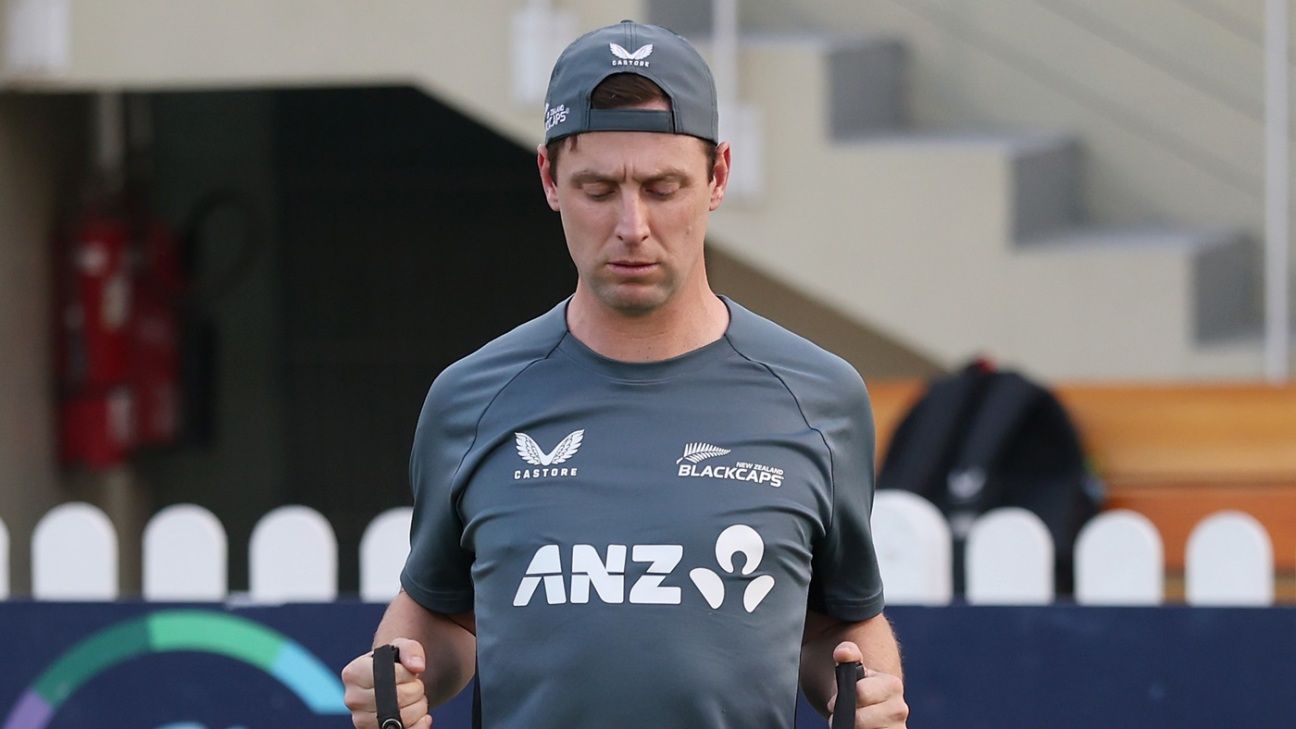
Matt Henry's Departure from NZ T20 WC 2026 Squad: A Testament to Evolving Player Welfare
The highly anticipated T20 World Cup 2026 has already delivered its share of dramatic moments, but few have highlighted the evolving landscape of professional sports quite like the news surrounding New Zealand's star fast bowler, Matt Henry. In a move that underscores the growing importance of player welfare, Henry has been granted parental leave, necessitating his temporary departure from the Black Caps' squad. This significant development places the spotlight squarely on the challenges and considerations teams face when key players take personal leave during high-stakes tournaments.
For New Zealand Cricket (NZC), the decision to allow Matt Henry to leave the team camp to be with his wife for the birth of their second child is a progressive step. It prioritizes a momentous personal event over immediate on-field requirements, even as the Black Caps navigate a crucial stage of the T20 World Cup. This instance of a prominent player taking t20 wc 2026 leave for family reasons offers valuable insights into modern sports management and the human element within elite competition.
A Personal Priority: Matt Henry's Parental Leave from T20 WC 2026
The news broke ahead of New Zealand's pivotal Super 8 clash against England. Fast bowler Matt Henry, a linchpin of the Black Caps' pace attack, would be stepping away from his national duties. The reason? To be present for the birth of his second child – a decision lauded for its commitment to family values. Head coach Rob Walter expressed the team's unwavering support, stating, "Firstly, we’re all very excited for Matt and Holly on the arrival of their second child. It’s a very significant moment for their family and we’re wishing them all the best."
This gesture from NZC and the team highlights a refreshing perspective in the demanding world of professional sports, acknowledging that personal milestones hold immense importance for athletes. Henry's departure was timed for after the crucial encounter with England, a match vital for New Zealand's aspirations to progress to the knockout stages. The silver lining for Black Caps fans is the possibility of Henry's return. Coach Walter added, "There’s a lot of water to go under the bridge but we’re hopeful that the stars align for the team and for Matt and that we’ll see him back competing in the final phases of the competition." This sentiment reflects a pragmatic approach: support the player now, and hope circumstances allow for his return to bolster the squad when it matters most.
Henry's situation isn't entirely unique; the discussion around players needing to take personal leave during major tournaments, whether for parental duties or other family matters, is gaining traction across various sports. It forces teams to develop robust contingency plans and fosters an environment where players feel valued beyond their athletic contributions.
Navigating the Void: The Impact of Matt Henry's Absence on the Black Caps
While the decision to grant Henry leave is commendable, his absence inevitably creates a significant void in the New Zealand squad. Matt Henry is not just another player; he is a seasoned campaigner known for his ability to extract bounce and movement, providing crucial breakthroughs with the new ball and control in the death overs. His experience and wicket-taking prowess are invaluable assets, particularly in the high-pressure environment of a T20 World Cup.
The immediate challenge for the Black Caps is to recalibrate their bowling attack. This requires other pacers in the squad to step up and shoulder increased responsibility. Identifying a suitable replacement who can maintain the team's balance and effectiveness against top-tier opposition will be paramount. Options might include bringing in another specialist fast bowler from the reserves, or relying more heavily on all-rounders to fill some of the bowling overs.
Furthermore, Henry's potential return in the later stages of the tournament, should New Zealand qualify, presents another layer of complexity. While highly desirable, reintegrating a player mid-tournament, especially one who has been away for personal reasons, requires careful management of team dynamics and match fitness. The team management will need to ensure a smooth transition to maintain cohesion and performance.
This scenario underscores the player availability challenges that global tournaments pose. Teams must build squads with sufficient depth and versatility, preparing for various contingencies beyond just injuries. It's a strategic chess game where every piece counts, and unexpected departures can shift the entire board.
Player Welfare vs. Tournament Demands: A Modern Dilemma
The Matt Henry situation epitomizes a contemporary dilemma in professional sports: how to balance the intense demands of elite competition with the fundamental human needs and personal milestones of athletes. Historically, major tournaments often left little room for such personal considerations, with players expected to prioritize their national duties above all else. However, there's a growing recognition that supporting players' holistic well-being ultimately benefits both the individual and the team.
The progressive stance taken by New Zealand Cricket sets a positive precedent. It signals to players that their lives outside cricket are respected and valued, fostering loyalty, mental well-being, and a healthier work-life balance. Athletes performing at their peak require more than just physical conditioning; mental clarity and emotional support are equally crucial. A player confident that their personal life is stable and supported is likely to perform better when they are on the field.
This empathetic approach stands in stark contrast to the unforgiving nature of the T20 World Cup, where even a single misstep can lead to early elimination. For instance, the recent T20 WC 2026 Shock: Sri Lanka Leaves Australia on Brink of Exit after a stunning comeback highlights how quickly fortunes can turn due to on-field performance. While some teams face the risk of being forced to leave the tournament through elimination, others like New Zealand demonstrate a forward-thinking approach by allowing players to leave for crucial personal milestones. This difference underscores a significant shift in sports culture.
By empowering players to make these personal choices, sports organizations can cultivate a more human-centric environment, ultimately contributing to longer, healthier, and more fulfilling careers for their athletes.
Strategies for Teams: Managing Player Availability in Marquee Events
For cricket boards and team management, incidents like Matt Henry's parental leave offer valuable lessons in strategic planning for high-profile tournaments. Effective management of player availability requires a multi-faceted approach:
- Robust Squad Depth: Investing in a strong pool of talent ensures that if a key player takes t20 wc 2026 leave due to personal reasons or injury, there are capable replacements ready to step in without significantly weakening the team.
- Proactive Communication: Encouraging open dialogue between players and management about potential personal commitments well in advance allows for better planning and minimizes last-minute disruptions.
- Flexible Contract Structures: Modern player contracts could incorporate provisions for personal leave, outlining clear guidelines and support mechanisms, reducing ambiguity during critical periods.
- Comprehensive Support Systems: Providing resources for players and their families, such as travel assistance or childcare options, can help ease the burden of balancing elite sport with family life.
- Strategic Selection: When building a tournament squad, consider not only current form but also a player's personal circumstances, where appropriate and ethically sound, to mitigate potential absences.
These strategies not only prepare teams for unexpected challenges but also foster a culture of trust and support, which is vital for sustained success.
Conclusion
Matt Henry's decision to take parental leave during the T20 World Cup 2026 is more than just a headline; it's a powerful statement about the evolving priorities in professional sports. New Zealand Cricket's supportive response sets a commendable example, demonstrating a commitment to player welfare that goes beyond mere rhetoric. While his absence undoubtedly presents a tactical challenge for the Black Caps, it also highlights the strength of character within the team and the importance of fostering an environment where personal milestones are respected.
As the T20 World Cup 2026 progresses, the cricketing world will keenly watch how New Zealand navigates this challenge and if the stars align for Matt Henry's anticipated return. This incident serves as a crucial reminder that behind every athletic spectacle are human beings with lives, families, and responsibilities that extend far beyond the boundary ropes. Embracing this reality is not just good for the players; it's good for the game itself, paving the way for a more empathetic and sustainable future for elite sports.